Quick answers
- Is silage better than hay for milk?
- Silage carries more energy and usually supports higher milk yields. Hay supplies the long fibre cows need. Most dairy farms do best with both.
- Which stores longer, hay or silage?
- Both keep for months. Hay needs a dry roof; sealed silage needs to stay airtight and must be used within days once opened.
Farmers often ask whether to spend their feed budget on hay or on silage. The honest answer is that they do different jobs. Here is how they compare.
| Boma Rhodes hay | Maize silage | |
|---|---|---|
| Main role | Fibre and bulk | Energy for milk |
| Moisture | Dry, about 10 to 15% | Moist, about 65 to 70% |
| Storage | Dry roofed store | Sealed wrapped bales, airtight |
| Once opened | Keeps if dry | Use in 2 to 3 days |
| Transport | Light per unit of feed | Heavier because of water |
| Best for | All ruminants, horses, dry seasons | Milking cows, fattening stock |
When hay makes more sense
- You keep goats, sheep, horses or beef cattle.
- You are far from Nyeri and transport cost matters.
- You need feed that can sit in a store for months.
- Your cows already get green fodder and need dry fibre.
When silage makes more sense
- You run a milking herd and want to hold yields in the dry months.
- You can feed it within days of opening.
- You are close enough that the water weight does not push up transport too much.
Using both
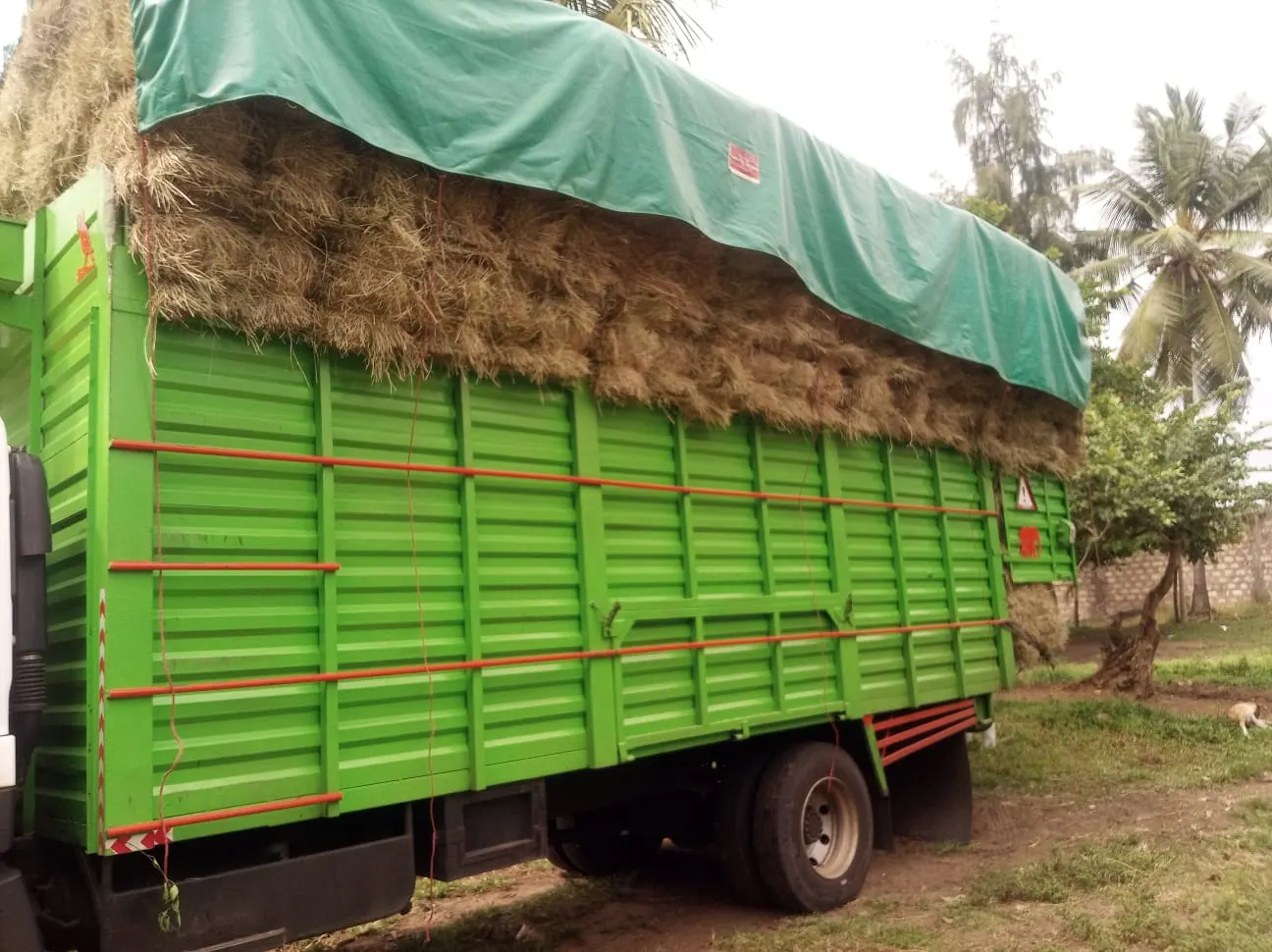
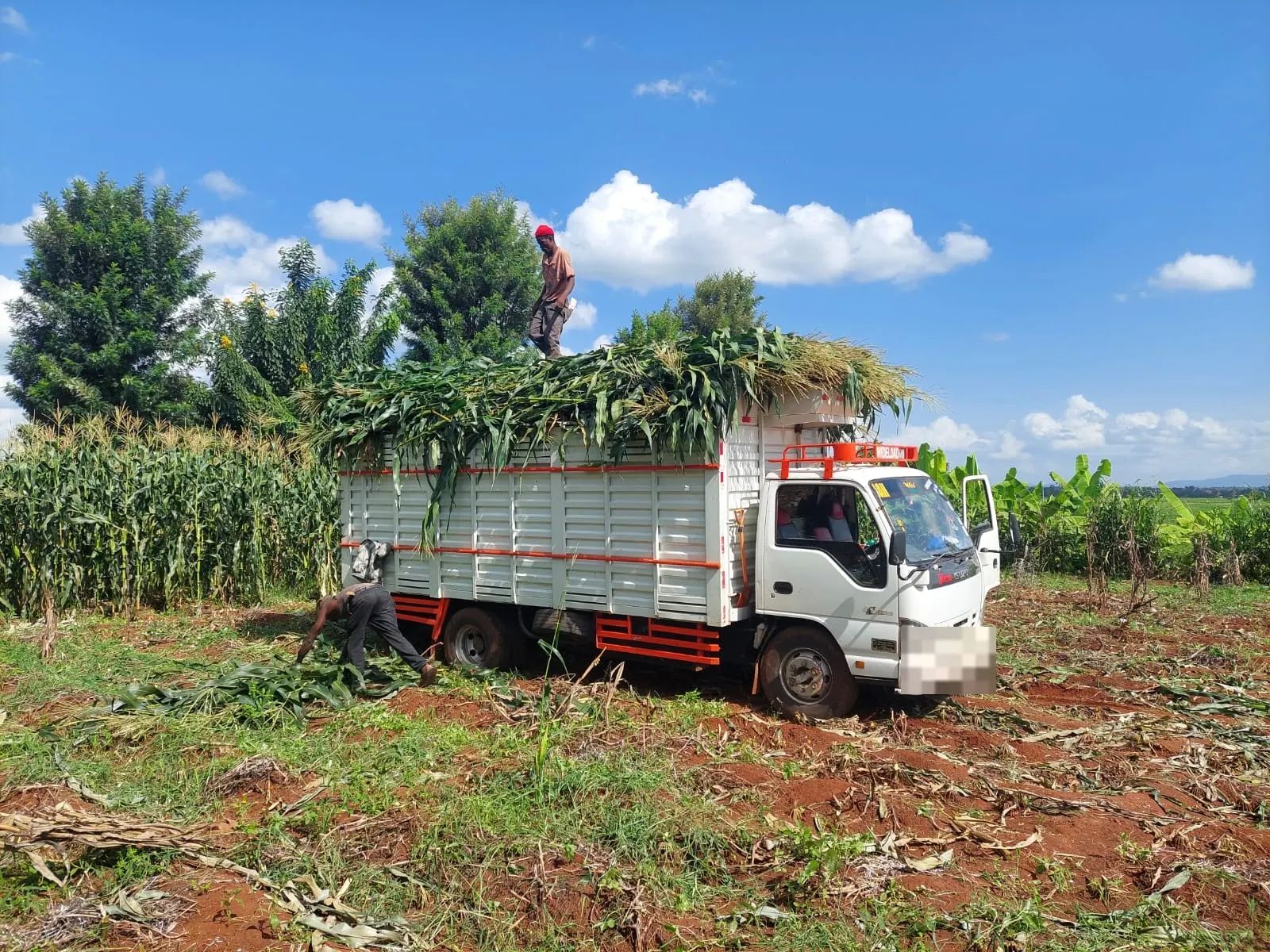
A common pattern on zero-grazing farms is silage for energy, hay for fibre and a dairy meal for protein. Order both on one lorry and you pay for one trip.